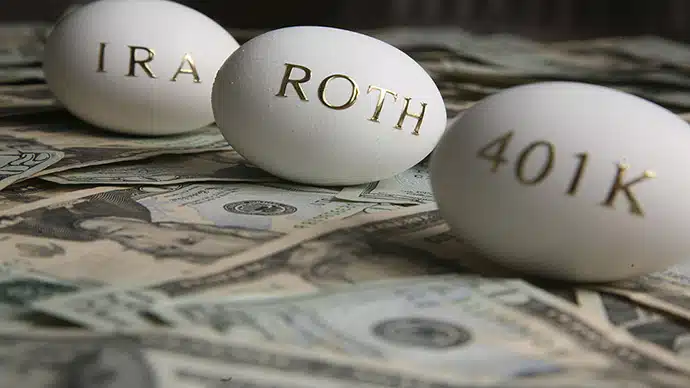
Use Nobel-winning insights to set yourself up for success
We’re hard-wired to work against sound economic reasoning — but Nobel Prize-winning behavioral economists have figured out how our brains work, and four of their lessons can help you set yourself up for financial success.
You may not know him, but the latest Nobel Prize winner knows a lot about your relationship with money. Professor Richard Thaler, author of the best-selling book “Nudge,” was awarded the prize in October for his contributions to the field of behavioral economics—essentially, the study of how and why we make real-life financial decisions.
A lot of behavioral economists’ research centers around the fact that we’re pretty much hard-wired to go against sound economic reasoning and to make a big mess of our finances. But we’re not doomed to failure. We can use what they’ve learned about how our brains work—for and against us—to set ourselves up for success.
Here are four ways Nobel Prize winners say we can do just that.
1 Automate Your Way to Wealthy
The status quo bias is our tendency to leave things as they are, which, depending on the circumstances, can work in our favor. Thanks in part to Thaler’s research, many companies now automatically enroll employees into a 401(k) retirement plan—giving you an option to opt out rather than in (with the knowledge that most people won’t)—and defaulting to a set contribution. Stick with the default (a natural instinct) and you’ll still end up on the right course. Even better, a majority of firms that automatically enroll participants also default them into automatic escalation programs that increase contributions annually.
The benefits of automation extend well beyond retirement savings: Setting up automatic transfers to savings and other investment accounts, as well as putting your bills on auto-pay, can also ensure you stay on track.
2 Ignore Bad Nudges
Automatic enrollment in a 401(k) is a good nudge. But there are bad ones, too, which use our status quo bias against us. For example, you might one day see an offer for a free trial for some subscription service if you supply your credit card number to get started. Sounds like a good deal, and you’ll definitely remember to cancel—except you don’t, and bam! You’re hit with a charge as soon as the trial ends.
That company was banking on inertia to keep you enrolled long enough to charge you. Knowing that, be wary of signing up for such “good deals” unless you’re interested in using the service long term. Or create alerts to remind you to cancel in time.
3 Stop Obsessively Checking Your Investments
As long-term investors, what happens to our investments today doesn’t really matter—so peeking at your portfolio all the time is unnecessary and potentially dangerous. In his book “Thinking, Fast and Slow,” psychologist Daniel Kahneman—who won the 2002 Nobel Prize in economics—writes: “Closely following daily [stock market] fluctuations is a losing proposition, because the pain of the frequent small losses exceeds the pleasure of the equally frequent small gains.”
That loss aversion—our tendency to feel more pain with losing than pleasure with winning—might prompt us to cut and run during a market down day. Better to limit our exposure (quarterly check-ins work just fine) and exercise our status quo bias in this instance.
4 Stick With Your Strategy
Another common bias is called herd mentality, which was on full display on October 19, 1987 (a.k.a. Black Monday), as investors charged out of the market and stocks fell by more than 20 percent—the largest one-day drop in history. Economist Robert J. Shiller, who won the Nobel Prize in 2013, surveyed investors afterward and concluded that “the 1987 stock market fall was a panic caused by fear and based on rumors, not on real danger.”
What’s the best way to fight the urge to follow the crowd and panic sell? Equip yourself with a solid investment strategy, tailored to your goals, risk tolerance and timeline—one that you can stick with no matter what. That way, you can confidently allow the status quo bias to take over regardless of what’s going on with the market that day.
In fact, even on Black Monday, Shiller’s broker told him not to worry. “The market began rising later that week, and in retrospect, stock charts show that buy-and-hold investors did splendidly if they stuck to their strategies,” writes Shiller.
Billshark · Bill Negotiation Experts Helping consumers and small businesses stop overpaying on recurring bills.
Frequently Asked Questions
What is behavioral economics?
Behavioral economics is essentially the study of how and why we make real-life financial decisions. Professor Richard Thaler, author of the book “Nudge,” won the Nobel Prize in October for his contributions to the field. Much of this research centers on the fact that we are hard-wired to go against sound economic reasoning and make a mess of our finances—but we can use these insights to set ourselves up for success.
How can automation help me build wealth?
Our status quo bias makes us leave things as they are. Many companies now automatically enroll employees into a 401(k), defaulting to a set contribution, and a majority also default participants into escalation programs that increase contributions annually. Beyond retirement, setting up automatic transfers to savings and investment accounts and putting your bills on auto-pay can help ensure you stay on track.
What is a bad nudge and how do I avoid one?
A bad nudge uses your status quo bias against you. A common example is a free-trial subscription that requires your credit card number—the company banks on inertia keeping you enrolled until the trial ends and you are charged. To avoid it, be wary of signing up for such offers unless you plan to use the service long term, or create alerts to remind you to cancel in time.
Why should I stop obsessively checking my investments?
As long-term investors, what happens to our investments today doesn’t really matter, so checking constantly is unnecessary and potentially dangerous. Daniel Kahneman, who won the 2002 Nobel Prize, wrote that closely following daily fluctuations is a losing proposition because the pain of frequent small losses exceeds the pleasure of equally frequent small gains. Limiting exposure with quarterly check-ins works just fine.
How do I avoid panic selling during a market drop?
Panic selling stems from herd mentality, seen on Black Monday in 1987 when stocks fell more than 20 percent. Robert Shiller concluded that fall was a panic based on rumors, not real danger. The best defense is a solid investment strategy tailored to your goals, risk tolerance and timeline that you can stick with no matter what, letting the status quo bias take over.